Let’s talk functional lab testing

Functional lab testing is a science based approach to nutritional. Functional stool testing and food sensitivity testing gives us the exact answers to what is causing your symptoms. It is a very root cause based approach and allows for the most accurate protocol.

ā€œI’ve been to so many dermatologists, doctors, and other nutrition coaches, and no one ever had answers for me. When I finally found Olivia, she had a clear blueprint to exactly what was causing my acne and IBS. The testing is life changing because I finally found the root cause and could begin to heal!ā€ -Jessica


Functional Stool Testing

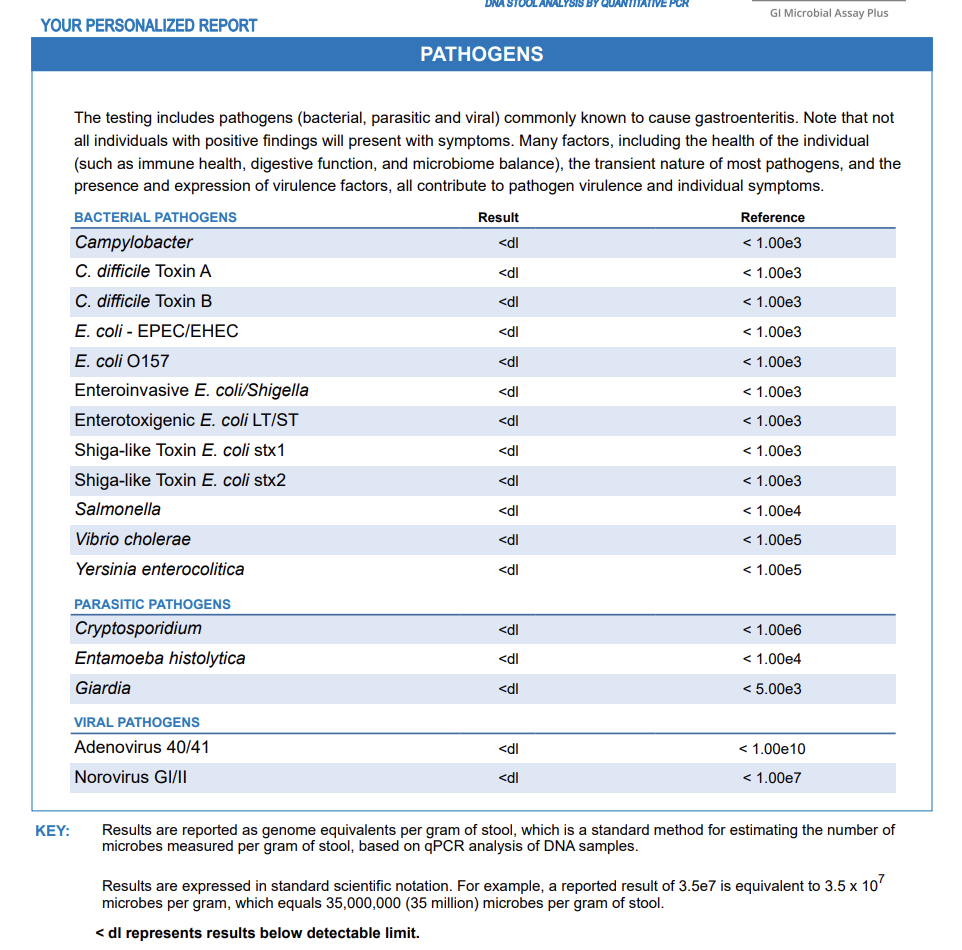
A laboratory report table listing various pathogens, including bacteria, parasites, and viruses, along with their detected levels indicated as below detectable limit (<dl).
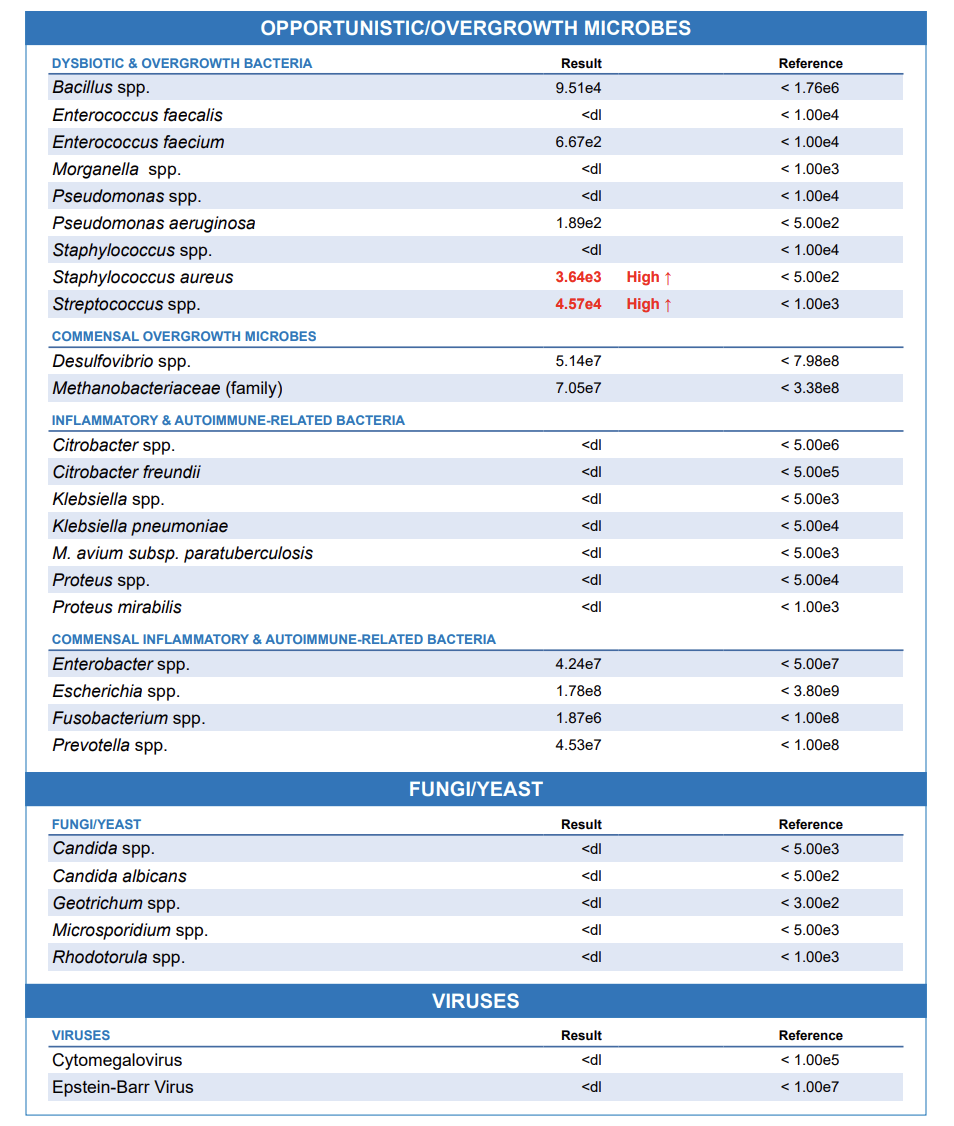
Laboratory test results for opportunistic, dysbiotic, inflammatory bacteria, fungi, yeast, and viruses, showing high levels of certain bacteria such as Staphylococcus aureus, Streptococcus spp., and others.
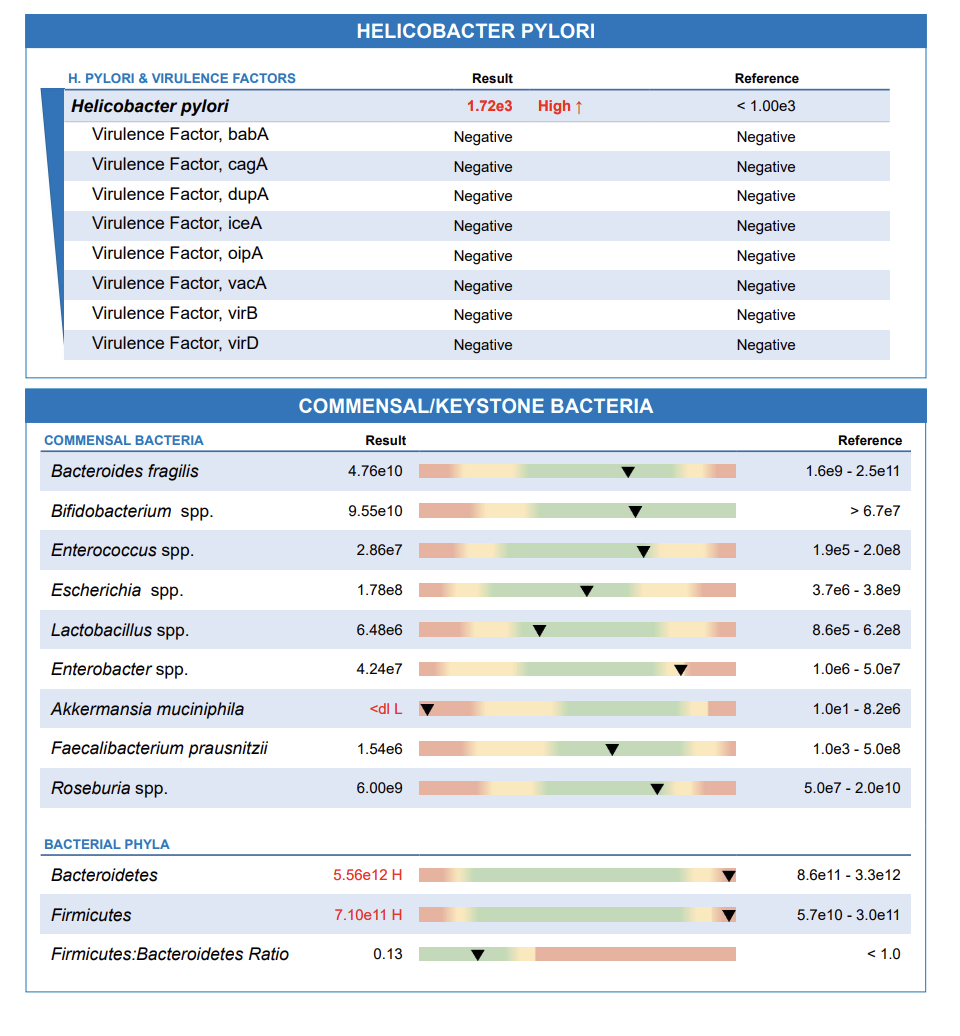
Laboratory report table showing results of tests for Helicobacter pylori and other bacteria. Helicobacter pylori result is high. Several other bacteria are listed with various concentration levels, some marked as high or low. The table includes references for each bacteria.
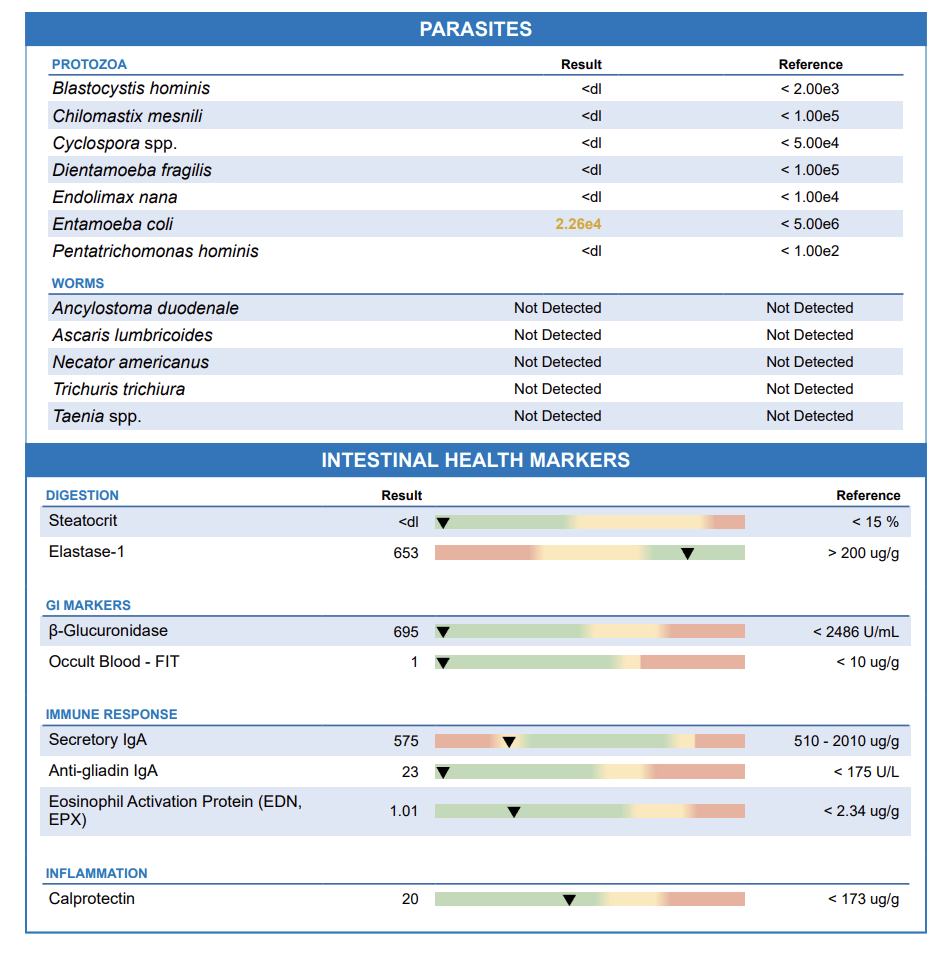
Laboratory test results table showing detection of various parasites, intestinal health markers, immune response indicators, and inflammation levels, with some results within normal ranges and others elevated.

Comprehensive stool analysis to uncover the root cause of bloating, IBS, fatigue, acne, weight concerns, and digestive dysfunction.

Includes:

  • One-time stool sample sent to the lab

  • Full analysis of parasites, pathogens, bacterial overgrowth, beneficial flora, dysbiosis, yeast, infections, immune markers

  • Evaluation of fat and protein metabolism, pancreatic enzymes, immune function, and gluten intolerance markers

  • Full results review and personalized protocol recommendation via Zoom

  • Results take 2-3 weeks.


MRT Food Sensitivity Test
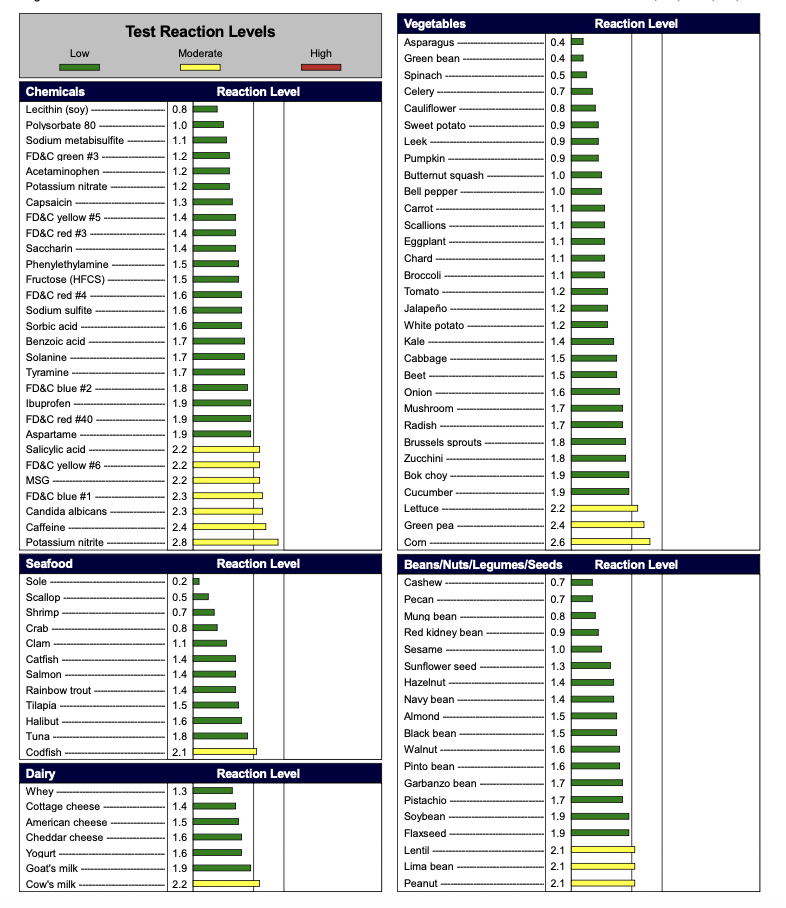
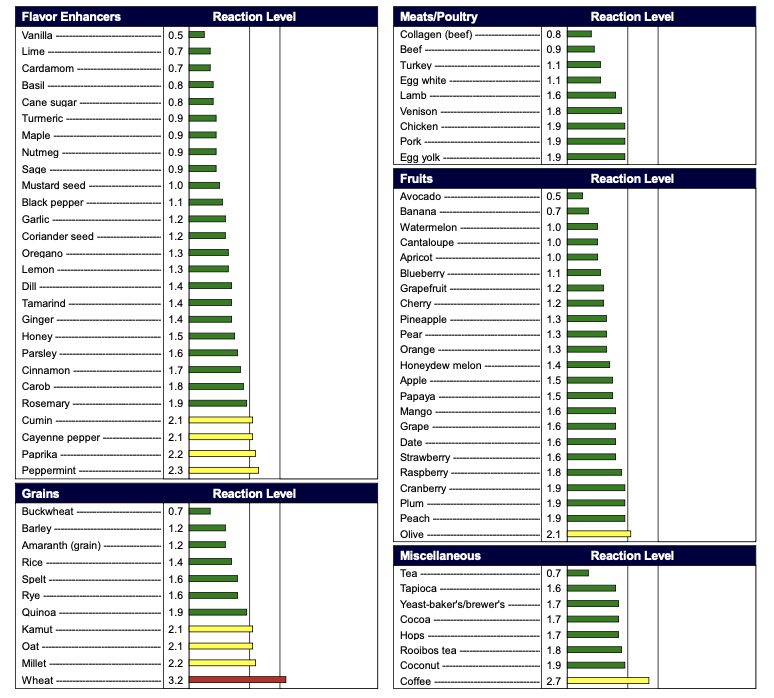
Chart displaying test reaction levels for various food categories including chemicals, seafood, dairy, vegetables, and beans, nuts, legumes, seeds, with reaction levels depicted as bars and color codes.
A detailed chart with categories for flavor enhancers, meats/poultry, fruits, grains, and miscellaneous items, showing reaction levels with green indicating lower levels and yellow or red indicating higher levels. The categories include items like vanilla, lime, cardamom, basil, various meats like beef and chicken, fruits such as avocado and banana, grains like buckwheat and wheat, and miscellaneous items including tea and coffee.

A blood test analyzing 170+ foods and chemicals to identify inflammatory triggers and support gut healing.

Includes:

  • One-time blood draw (no fasting required)

  • 3-month food sensitivity removal protocol

  • Structured food reintroduction plan in month 4

  • Results take 1 week

GI Map and MRT testing often provide the most comprehensive results when completed together. If you can only pick one, I’d recommend the Stool Test.
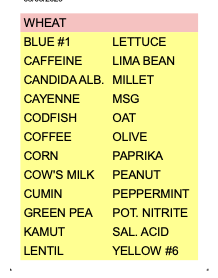
List of food and beverage items on a yellow background, including wheat, blue #1, lettuce, caffeine, lima bean, canned alder, millet, cayenne, MSG, codfish, oat, coffee, olive, corn, paprika, cow's milk, peanut, cumin, peppermint, green pea, potassium nitrite, kamut, salicylic acid, lentil, yellow #6.

Stool Testing Explained:

Food Sensitivity Test Explained

Schedule a Discovery Call Here